
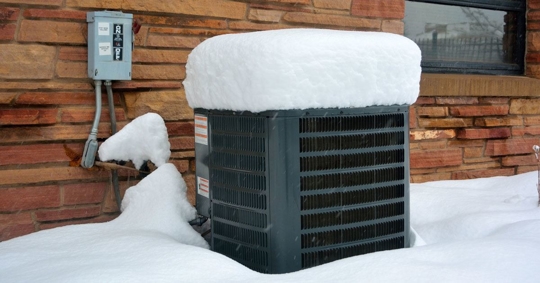
A layer of white frost on your outdoor unit during a Jacksonville cold snap doesn’t automatically mean the heat pump has failed. The important difference is whether the frost clears through automatic defrost or becomes thick ice that stays put and reduces heating performance.
We’ve served Northeast Florida since 1983, and we’ve seen how humidity, coastal salt air, and quick temperature swings create conditions that make winter icing worth watching.
When Frost Is Normal & When Ice Isn’t
Light, even frost on the outdoor portion of a heat pump can be a normal part of winter operation. As the system pulls heat from the air, moisture condenses on the outdoor coil and freezes when conditions are cold enough.
The system is designed to clear that frost automatically. A normal defrost cycle periodically melts it so the coil can continue transferring heat efficiently. Light frost before this process runs is different from ice that thickens, spreads across the coil or cabinet, or remains afterward.
Watch what happens over time rather than judging the equipment from one glance. If the frost clears and normal heating resumes, monitoring it’s usually appropriate. Persistent ice accompanied by a cooler home needs attention.
What the Defrost Cycle Should Look Like
Defrost mode is the heat pump’s built-in process for clearing frost. A sensor detects conditions that support ice formation, and the system briefly reverses operation to circulate warm refrigerant through the coil.
During this process, the exterior fan may stop and air from the indoor vents may feel cooler. Defrost typically lasts about 5 to 15 minutes, after which the system should return to normal heating.
This temporary change explains why frost can appear and then disappear without intervention. A problem is more likely when the equipment repeatedly fails to clear itself, remains iced over, or spends so much time defrosting that indoor comfort drops.
Why Jacksonville Heat Pumps Can Still Ice Up
Jacksonville winters are often mild, but frost doesn’t require days of deep freezing. Moisture collects on a cold coil, and Jacksonville’s high humidity gives it ample opportunity to freeze during a cold spell.
Coastal salt air and seasonal temperature swings also challenge outdoor equipment. Salt exposure contributes to corrosion over time, while leaves, vegetation, and other debris restrict the airflow needed for proper operation.
Several mechanical problems turn normal frost into excessive ice. Restricted airflow or an obstructed heat pump prevents proper heat transfer. Low refrigerant lowers coil temperature, while a failed sensor, control board, or reversing valve can interfere with automatic defrost. The reversing valve changes the direction of refrigerant flow as the system moves among heating, cooling, and defrost modes.
Safe Checks Homeowners Can Make First
A few basic checks support airflow without requiring work around electrical components or refrigerant lines. Set the thermostat to a normal heating temperature, allow time for automatic defrost to finish, and then check these conditions:
- Check the air filter
Replace a dirty filter. A clogged filter restricts airflow through the system and contributes to icing. - Clear the outdoor area
Remove loose leaves, pine straw, and other visible debris around the heat pump. Keep at least two feet of open space around it so air can move freely. - Remove any cover
Don’t operate a heat pump under a cover or wrap it for winter. The equipment needs open airflow, and a cover worsens ice buildup and puts the compressor at risk.
Don’t chip ice from the coil, pour water on the equipment, or attempt to repair wiring, sensors, refrigerant lines, or the reversing valve yourself. Those components require professional diagnosis, and forcing ice from delicate fins can cause further damage.
When Persistent Ice Needs Heat Pump Repair
Professional heat pump repair is warranted when ice remains after automatic defrost, returns quickly after clearing, or covers a substantial part of the outdoor unit. Other warning signs include uneven heating, reduced airflow, short cycling, unusual noises, or higher energy bills.
Low refrigerant is one possible cause that needs prompt attention. It can lower coil temperatures enough for airborne moisture to freeze on contact. Refrigerant isn’t consumed during normal operation, so a low level commonly indicates a leak that a licensed technician needs to locate and repair.
Our diagnostic process looks beyond the visible ice. We check airflow, the outdoor coil, refrigerant-related concerns, defrost components, and the controls that change operating modes. These checks distinguish basic maintenance issues and obstructions from faults within the system.
Use Frost As a Clue, Not a Verdict
Light frost that clears automatically is part of normal heat pump operation in cold, damp weather. Ice that remains, thickens, or accompanies poor heating performance signals a problem that can place additional strain on other components.
For heat pump service, David Gray provides clear diagnostics, upfront pricing explanations, and free no-obligation second opinions. If persistent ice is affecting your system, call (904) 605-8190 to discuss repair options.